
With the passage of time and evolving aesthetics, jadeite bracelets have gained widespread popularity. The number of beads per strand varies from 12 to 18, primarily determined by the size of the beads. Jadeite bracelets also carry profound symbolism. Their round beads represent perfection in all matters, smooth navigation through life’s challenges, and the promise of smooth sailing in every endeavor. Most jadeite bracelets use loose beads. Finding a strand with excellent quality, color, and uniform texture is increasingly rare, while colorful varieties are more common. In this episode, Brother Hua shares how to select a jadeite bracelet that truly suits your taste. Master these four points!
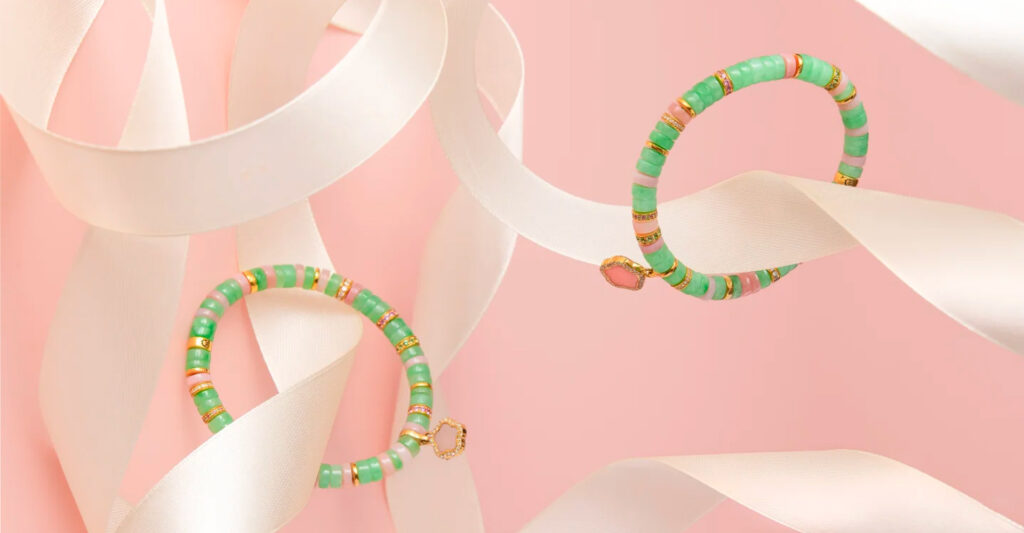
1. Color Analysis
In ancient times, the monochromatic hues of jadeite—
“red, green, purple, yellow, white”—
represented “blessings, fortune, longevity, joy, and wealth.” Each color combination carries distinct symbolism.
Yellow + Green:
Also known as “Imperial Green,” this pairing of yellow jadeite and green jade symbolizes royal dignity and grace.
Purple + Green:
Commonly known as “Spring in Full Bloom,” signifying triumphant success and universal acclaim.
Red + Green + Purple:
Called “Fortune, Prosperity, Longevity,”
Symbolizing blessings, high office, and longevity—
Embracing life’s three greatest fortunes.
Red + Green + Purple + White (or Yellow):
“Fortune, Prosperity, Longevity, Joy,”
Implies high rank, abundant wealth, and blissful longevity.
Red + Green + Purple + White + Yellow:
“Five Blessings Descend Upon the Home,”
embodying blessings, prosperity, longevity, joy, and wealth.
Whether selecting solid or multi-colored jadeite bracelets, they should ideally meet the criteria of being pure, rich, vibrant, and evenly distributed. Additionally, color combinations should harmonize well.
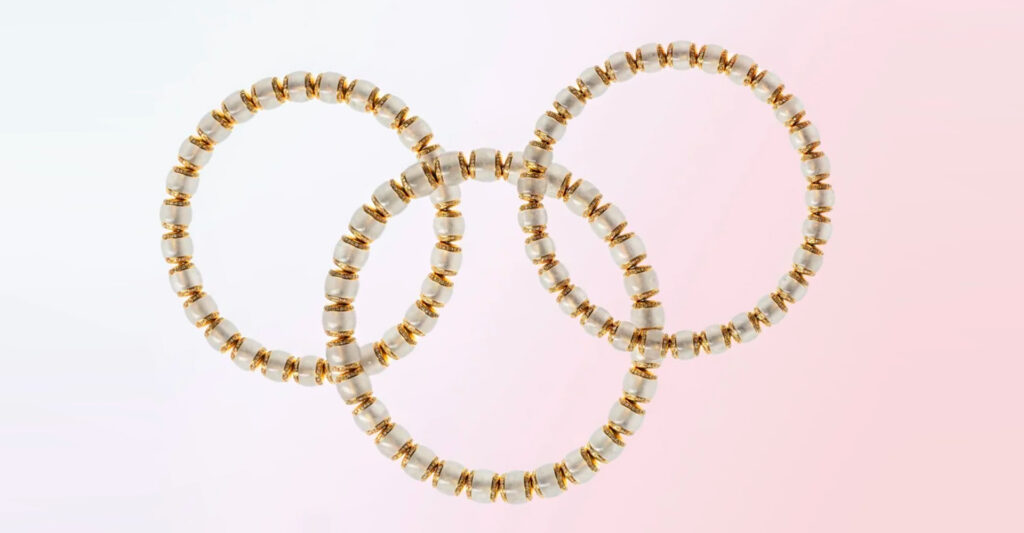
2. Assessing Quality and Transparency
When selecting jadeite bracelets, one must adhere to fundamental principles for choosing jadeite. Within your budget, prioritize beads with superior quality and transparency. The clearer and more translucent the jadeite, the higher its value and quality. Commonly available grades, ranked from highest to lowest transparency, include glass-like jadeite, high-ice jadeite, ice jadeite, and ice-glutinous jadeite. Glass-like jadeite offers the best transparency.
3. Examining Flaws
The flaws commonly referred to in jadeite generally include cracks, fissures, stone patterns (stone flowers), discoloration, and inclusions. These imperfections affect the jadeite’s appearance and value to varying degrees. The most critical flaw to avoid is cracks, so it’s essential to examine carefully during selection. Beads with cracks will significantly reduce the value of a bracelet.
4. Assessing Craftsmanship
The selection of materials and craftsmanship required for jadeite bracelets are typically quite demanding, presenting a significant challenge to the jade carver’s skill.
For instance: Are the beads’ surfaces smooth? Do the lines flow seamlessly? Are the sizes uniformly consistent? After all, in modern jadeite bracelets, the Buddhist symbolism has gradually faded. Each bead is no longer plain and unadorned. Not only are arhat heads carved, but beads are also crafted into various vivid figures to satisfy the pursuits of jadeite enthusiasts.
In short, selecting a jadeite bracelet that suits your taste is no difficult task. As long as you keep these four points in mind, you’ll naturally handle it with ease. When it comes to choosing color and style, it ultimately depends on personal preference and taste.